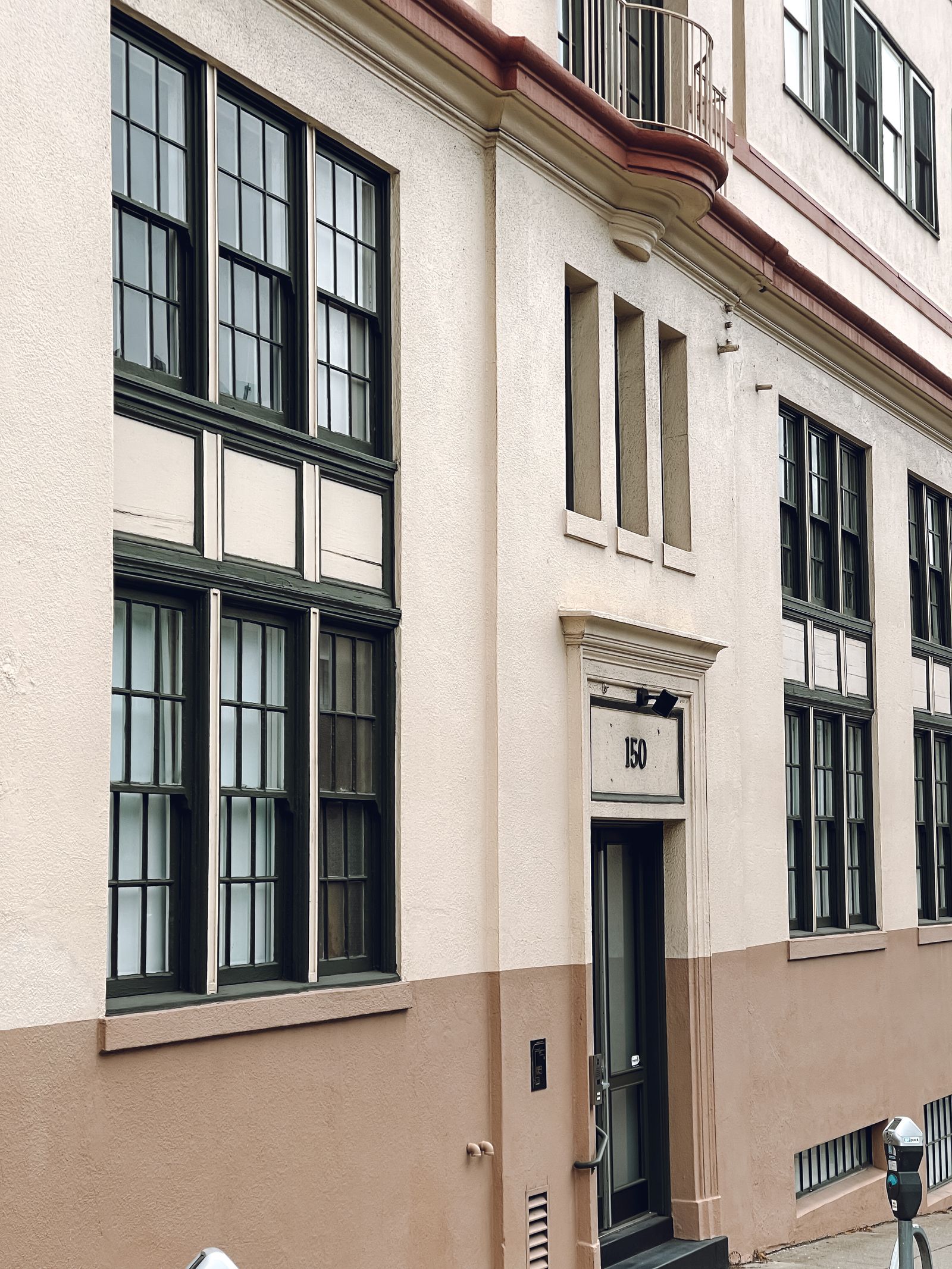
Start with the material, the stain, and the building's purpose
Chattanooga commercial properties often combine historic or painted masonry with concrete, precast panels, storefront glass, metal trim, EIFS, stone, sealants, signs, and entrance canopies. A warehouse or manufacturer along Amnicola Highway may have loading docks, truck film, exhaust residue, employee approaches, and production constraints. A hotel near downtown or the riverfront may prioritize the arrival sequence, terrace, restaurant frontage, and guest perception. An office around Shallowford Road or Hamilton Place may have broad elevations, irrigated landscaping, and shared drive aisles. Each zone deserves its own material and access decision.
Soft washing can suit compatible organic growth, pollen film, mildew-like staining, bird residue, and some atmospheric soil when the solution, dwell time, rinse, and protection are selected for the surface. A dark streak can instead be rust, oxidation, efflorescence, mineral scale, soot, failed paint, or a gutter problem. Cracked masonry, open mortar, spalled concrete, loose coatings, and leaking joints are not ordinary dirt. The proposal should distinguish removable soil from conditions that need a mason, roofer, painter, or envelope specialist and use a test area when finish history is uncertain.
- Separate brick, mortar, concrete, glass, metal, EIFS, stone, painted, and coated areas before selecting a method.
- Trace whether discoloration comes from organic growth, pollen, minerals, rust, exhaust, irrigation, or a water path.
- Test representative surfaces when a coating, historic repair, or unfamiliar finish may change the response.
- Record damaged materials and exclude repair, leak diagnosis, and restoration from a routine washing scope.
Sequence work around Chattanooga's people and corridors
The usable work window changes from one Chattanooga address to the next. Downtown, the Southside, North Shore, and the riverfront can involve pedestrians, restaurants, event traffic, curbside parking, apartments, museums, and narrow staging areas. A healthcare site near Erlanger or the larger medical corridor may require continuous patient drop-off, covered walkways, ambulance access, and carefully timed entrances. Around UTC, schools, and student housing, class schedules, athletic events, and foot traffic can change the safe work zone. Retail and hospitality properties near Hamilton Place and Shallowford Road may need guest routes, deliveries, and shared parking to remain functional.
Industrial and logistics properties around Amnicola Highway, Enterprise South, and the I-75/I-24 network may add trailers, security gates, shift changes, rail or truck movements, and sensitive equipment. Before scheduling, identify guest doors, ADA routes, patient drop-off, outdoor dining, air intakes, cameras, loading doors, electrical gear, delivery lanes, and the person authorized to pause work. A hotel may need the lobby approach open throughout breakfast. A manufacturer may prefer a window before a shift change. Phasing elevations can keep a critical entrance or dock available while another face is controlled.
Local knowledge should change the work plan, not merely the headline. A riverfront facade may need pedestrian separation and event coordination. A school or UTC-area building may need a calendar check. A North Shore office may have steep grades and landscaping that affect hose routing. A medical property may value a clean, dry route more than the fastest completion. The quote should name the real restrictions and proposed sequence so the facilities team can approve it with confidence.
Build the schedule around humidity, rain, pollen, and storms
Chattanooga's humid summers and rain can leave shaded masonry, recessed entrances, lower walls, and north-facing elevations damp for longer periods. Spring pollen settles on ledges, canopies, signs, rooftop equipment, and glass. Summer heat changes evaporation, dwell time, plant protection, and worker exposure. A thunderstorm can move rinse water across a sloped lot toward a curb inlet or landscaped depression, while gusts can affect spray control, barriers, and any aerial operation. A clear date on the calendar is not enough to create a reliable commercial plan.
Review forecast rain, lightning, wind, humidity, surface temperature, visibility, pedestrian conditions, and drying time for each phase. Direct sun may dry one wall before a shaded wall is ready to rinse. Heavy rain can dilute an application or carry loosened soil onto a lower facade after the visible work is finished. Define pause and reschedule triggers before hoses, barriers, lifts, or aerial systems are staged. The work window should also respect hotel occupancy, clinic appointments, school activities, production shifts, and downtown events.
Repeat staining can be a maintenance clue. Overflowing gutters, blocked downspouts, failed sealants, roof-edge details, irrigation spray, condensation, and sloped sills can keep wetting one area. Washing may improve the appearance while leaving the cause in place. Closeout notes should identify obvious water paths and recommend owner, roofer, mason, or building-envelope review when a defect appears to be driving the discoloration.
- Review precipitation, wind, lightning, humidity, heat, surface moisture, visibility, and drying time by phase.
- Inspect gutters, downspouts, roof edges, joints, canopies, irrigation, and low walls for repeat wetting.
- Protect landscaping, coatings, people, equipment, and neighboring finishes from heat, chemistry, overspray, and runoff.
- Agree on weather pause triggers before mobilization rather than improvising after the site is wet.
Use aerial access only where Chattanooga conditions support it
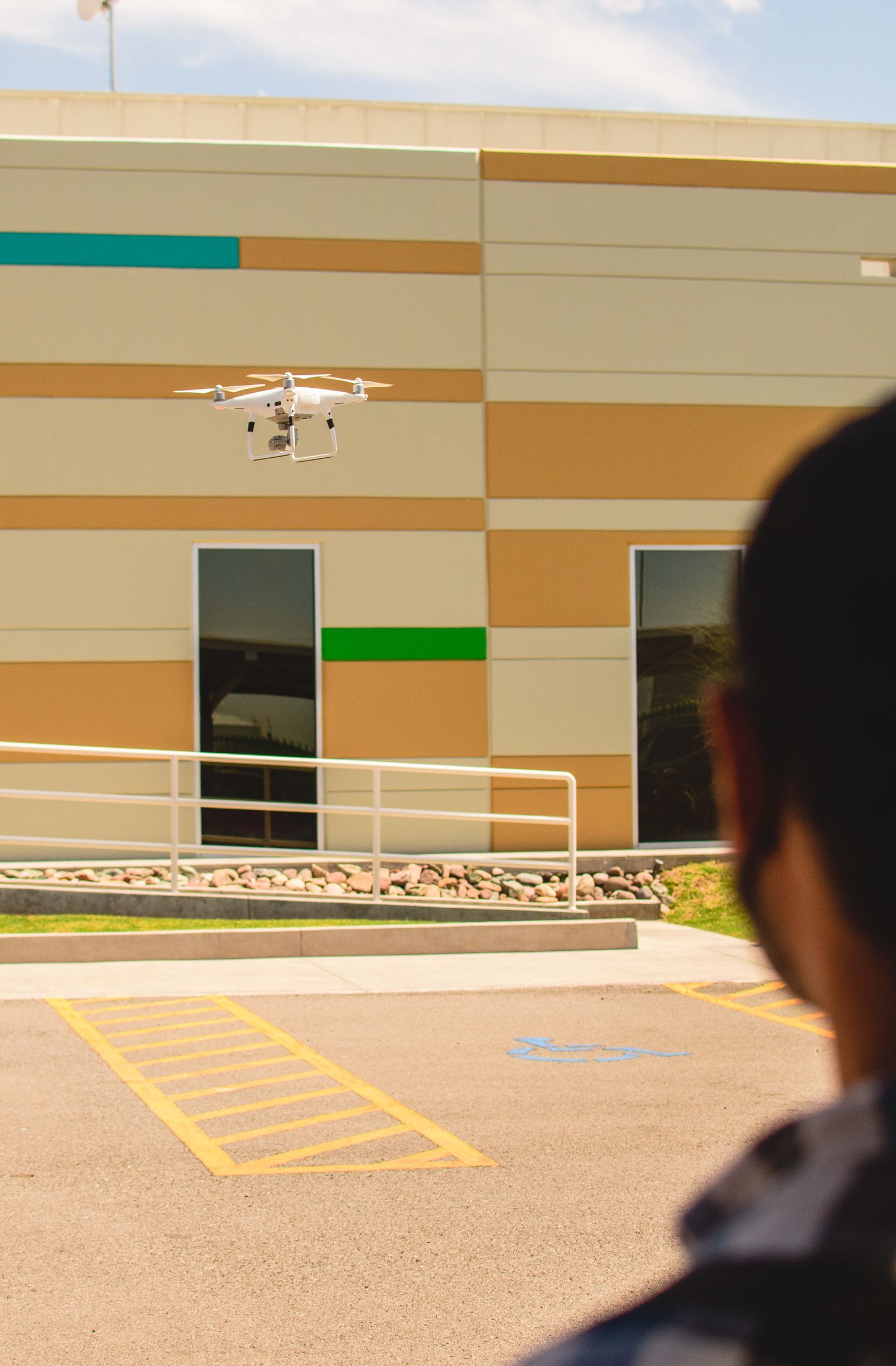
Drone-assisted application or rinsing may be considered for a compatible, broad upper elevation when there is sufficient stand-off distance, clear visual control, launch and recovery space, manageable wind, separation from people and vehicles, and a workable ground plan. It can reduce repositioning for selected parapets, ledges, sign bands, or tall walls. It does not make fragile chemistry appropriate, contact-clean every window, remove bonded mineral deposits, detail architectural recesses, or repair failed joints. The proposal should identify which elevations are candidates and which remain ground, pole, lift, or hand work.
Chattanooga's hills, bridges, overhead utilities, mature trees, balconies, rooftop equipment, dense sidewalks, and activity near the riverfront can change the answer at a specific property. Airspace near airports and heliports also deserves review. Commercial drone operations remain subject to applicable Federal Aviation Administration rules and required authorizations; an owner's permission is not a substitute for aviation compliance. If the people zone cannot be controlled, wind shifts the water path, or recovery space is inadequate, another access method or a quieter work window is better.
A hybrid plan may use aerial support on an appropriate upper wall, controlled low-pressure work on durable concrete, a water-fed pole for selected glass, and hand detailing around doors, signs, canopies, and storefront frames. Height alone does not decide the method. Material, soil, finish expectation, public exposure, drainage, wind, and the level of detail the customer wants all belong in the assessment.
Protect healthcare, hospitality, manufacturing, and public routes
Before water or cleaning solution is applied, map sidewalks, accessible paths, doors, parking aisles, loading areas, air intakes, cameras, electrical equipment, landscaping, outdoor seating, vehicles, and adjacent tenants. Chattanooga properties may drain toward curb inlets, planted swales, detention features, basement ramps, retaining walls, or low points beside a parking deck. The field plan should identify hoses, barriers, spotters, water access, protective measures, emergency routes, and the site contact who can stop work when conditions change.
Water management depends on the product, soil removed, rinse volume, slope, storm inlets, sanitary connections, and applicable site requirements. A storm drain below a facade is not automatic permission for treated water to enter it. Depending on the scope, controls may include diversion, collection, recovery, reduced rinse volume, filtration, plant protection, disposal, or coordination with the responsible authority. The proposal should state assumptions and explain what happens if the observed flow differs from the pre-work review.
Closeout documentation helps a facilities team manage the result. Record representative pre-work conditions, completed elevations, remaining deposits, loose or damaged materials, water-path observations, weather interruptions, and areas requiring another trade. The owner should know what was cleaned, what was unsuitable for the selected method, and what maintenance issue could cause staining to return. That clarity is especially important when a property serves patients, guests, students, employees, or active production.
- Locate drains, low points, landscaping, doors, air intakes, loading zones, vehicles, and public routes before setup.
- Confirm water access, hose routing, barriers, spotters, emergency access, and the person authorized to stop work.
- Document runoff assumptions and stop conditions for unexpected flow, pedestrians, vehicles, lightning, or wind.
- Photograph completed zones, remaining deposits, and visible conditions that need repair or restoration.
Request a quote that describes the Chattanooga outcome
A useful quote starts with the property outcome: a hotel entrance ready for guests, a healthcare building with a controlled patient approach, an office campus with cleaner tenant-facing walls, a school or university facility prepared for an event, or a manufacturing site with less visible traffic film at employee and delivery areas. The scope should name elevations, materials, likely deposits, access method, protection, weather limits, drainage assumptions, expected improvement, and exclusions. It should not imply that washing repairs a leak, guarantees uniformity, or removes every mark from every substrate.
Send the address, wide photos of each facade, close-ups of staining, approximate height, materials if known, priority areas, desired finish, preferred work window, water access, drainage concerns, and restrictions involving guests, patients, students, tenants, deliveries, employees, vehicles, or events. Previous cleaning records and notes about leaks, coatings, sealants, mineral deposits, or repairs help separate routine cleaning from restoration. Drone Building Cleaners can recommend soft washing, controlled pressure, aerial assistance, pole work, lift access, hand detail, or a phased combination after reviewing those facts.
Call +1 239-351-2897 or email contact@dronebuildingcleaners.com to begin a Chattanooga commercial building review. The quote process is intended for offices, hotels, healthcare, education, retail, logistics, manufacturing, warehouse, and mixed-use properties that need a clear plan before work is scheduled.