The method should follow the surface and the deposit
Soft washing is often considered for compatible organic growth, pollen film, mildew-like discoloration, bird residue, and atmospheric soil when the chemical treatment, dwell, rinse, test area, and protection plan suit the substrate. Pressure washing may be useful for selected durable concrete, loading zones, sidewalks, and other hard surfaces where water force is appropriate. Uncontrolled force can damage mortar, coatings, sealants, EIFS, stucco, softer masonry, and adjacent components. A process is not automatically better because it is faster or more forceful.
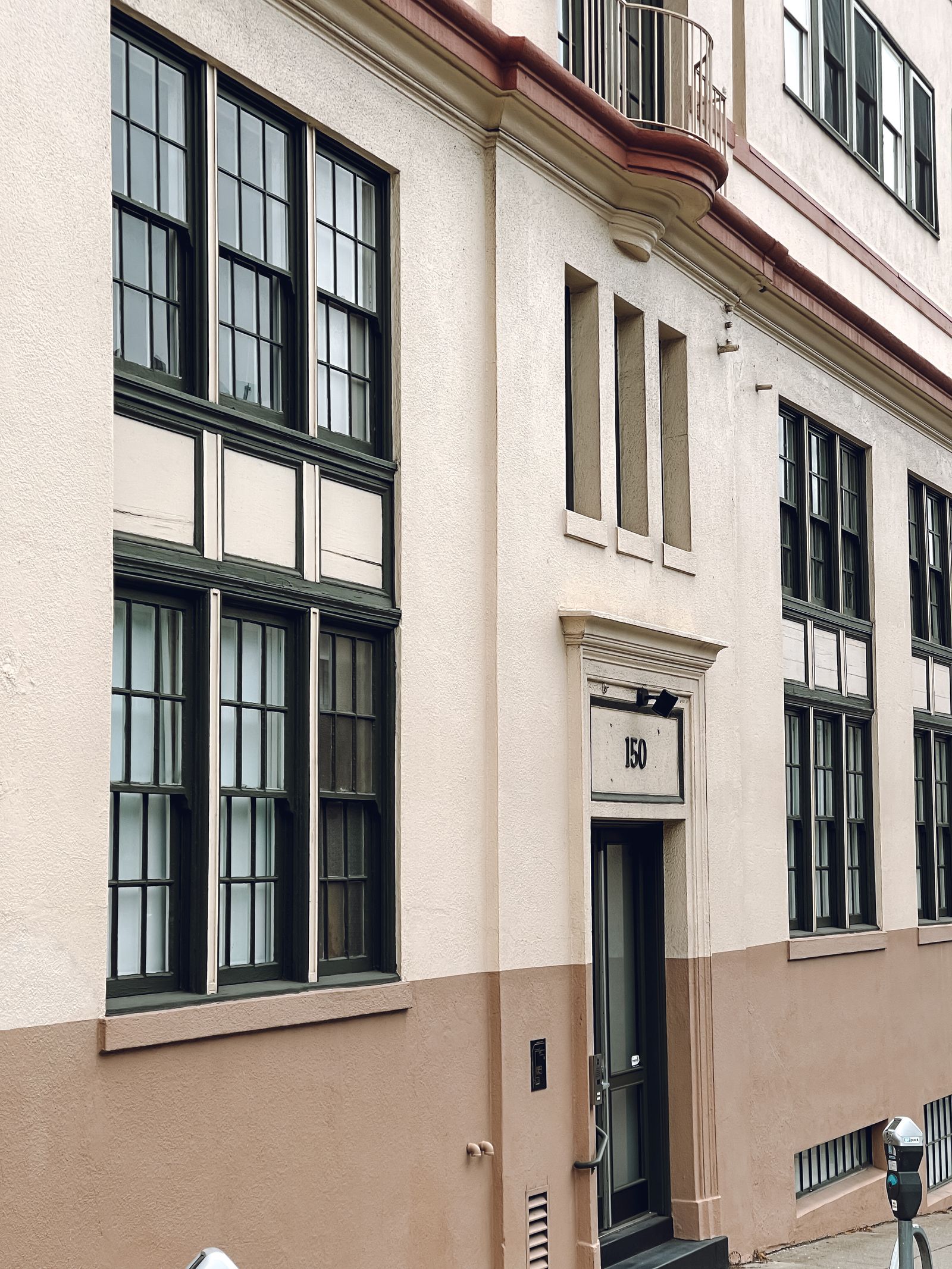
A single Chattanooga entrance may contain brick, precast, glass, painted metal, stone, signs, a canopy, and sealants. The pressure that helps a service slab may be wrong for the EIFS above it. Divide the property into zones, identify the finish expected in each, and test uncertain materials. The right proposal may combine soft washing on compatible facade areas, controlled pressure on a durable ground surface, and hand or contact detail around windows, doors, signs, and architectural features.
Diagnose Chattanooga's dark marks before increasing force
Chattanooga buildings can collect spring pollen, rain streaks, road film, bird residue, dust, and algae-like discoloration on shaded elevations. A compatible treatment or controlled rinse may improve some of these conditions. A similar mark can also be rust, oxidation, efflorescence, mineral scale, soot, construction residue, or failing paint. More pressure may spread water, remove a coating, drive moisture behind a joint, or leave the source untouched. Diagnosis protects the finish and makes the promised outcome more credible.
Exposure differs across the city. Downtown, Southside, North Shore, and riverfront properties may have pedestrians, restaurant activity, events, and tight staging. Buildings near I-24, I-75, Amnicola Highway, or Shallowford Road may show more traffic film on lower walls and loading areas. Tree-lined and shaded sites may hold moisture longer, while retail and office properties around Hamilton Place may have irrigation and broad parking fields. Those conditions are reasons to inspect the address rather than assign one method to every facade.
Define what a successful finish means
A property manager should decide what success looks like before approving a method. A light rinse may be enough for loose pollen on an upper wall. A hotel may prioritize the arrival canopy, entrance, and visible street facade. A healthcare property may need a clean appearance while preserving patient routes. A school or UTC facility may be preparing for an event. A manufacturer may care most about employee approaches, loading areas, and the administrative building. The scope should say which deposits are expected to improve and which may remain.
Neither process automatically creates contact-cleaned glass. Drone-assisted wetting and rinsing can support selected upper glass where a rinse finish is acceptable, but it cannot squeegee each pane, scrape bonded mineral residue, polish etched glass, or detail every frame. Pressure also does not replace hand work around fixtures and doors. Comparing methods by the requested finish prevents a low-pressure facade rinse from being sold as window restoration.
Humidity and storms can change the Chattanooga work window
Humidity, spring pollen, summer heat, direct sun, and rain affect chemistry, evaporation, drying, plant protection, and walking conditions. An exposed wall may dry before a shaded wall is ready to rinse. A river-valley or tree-shaded elevation can stay damp. A storm can dilute an application, interrupt aerial work, or move soil and treated water toward a low point. Smaller phases, adjusted timing, and a forecast-based pause trigger often produce a more controlled result than trying to wash every elevation at once.
Weather also overlaps with operations. Downtown events, UTC schedules, hotel occupancy, healthcare appointments, school activities, and manufacturing shifts change the usable work zone. Wind matters for spray control, hoses, barriers, landscaping, and any drone operation. Lightning and reduced visibility are clear stop conditions. A responsible proposal names a target window plus conditions that pause or reschedule work instead of treating a calendar date as a guarantee.
Aerial assistance addresses height, not every cleaning problem
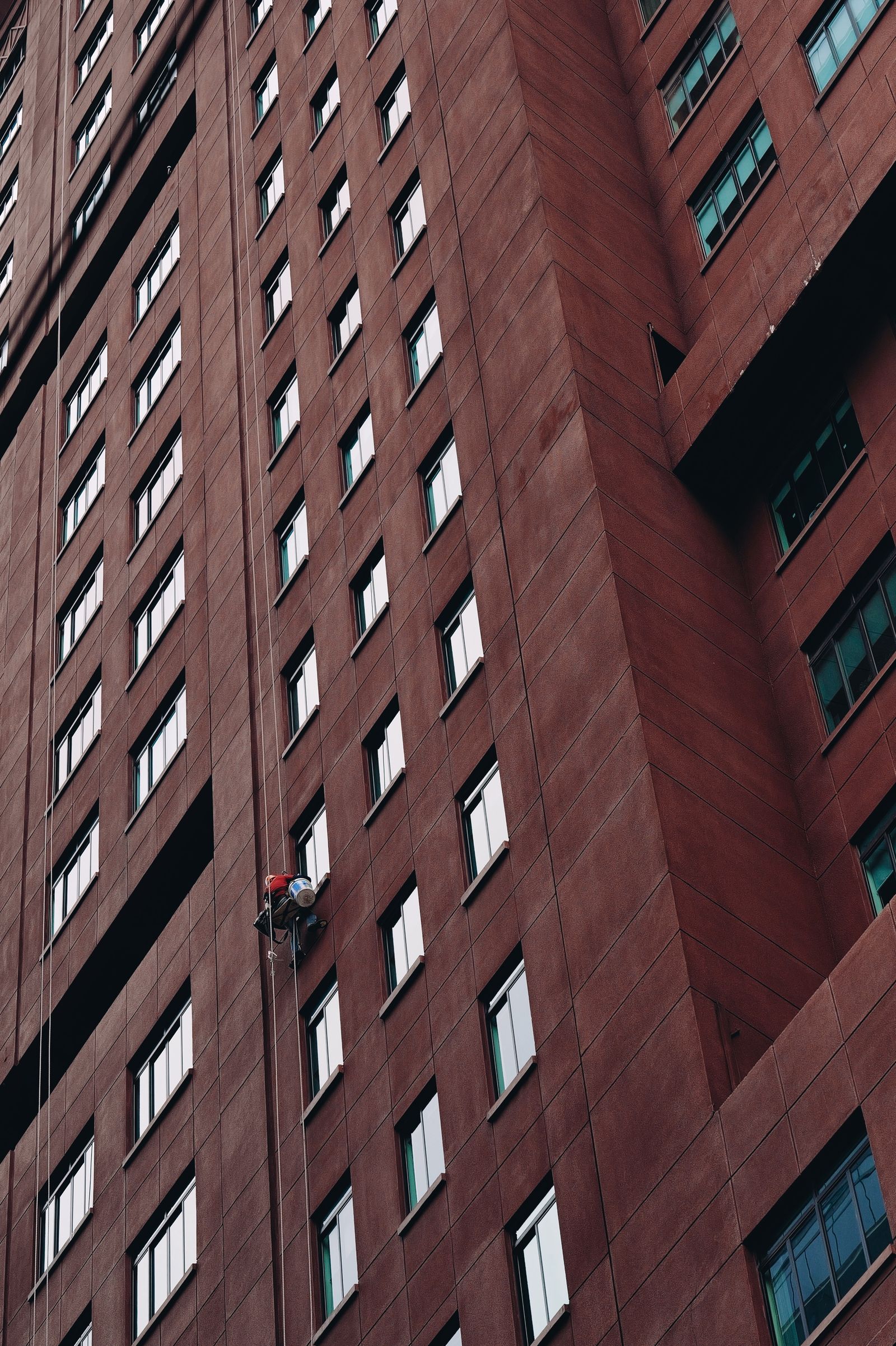
Drone-assisted application or rinsing may help where a broad upper elevation has adequate stand-off distance, clear visual control, suitable launch space, manageable wind, public separation, and an acceptable water path. It can reduce some repositioning for compatible parapets and tall walls. It cannot replace material inspection, public protection, FAA compliance, or contact methods when a detailed finish is required. Each elevation should be reviewed rather than labeling an entire tall property drone-suitable.
Chattanooga's utilities, wooded slopes, bridges, balconies, rooftop equipment, busy roads, event crowds, and airport or heliport considerations can change the answer at the address. Commercial operations must follow applicable FAA rules and any required authorizations. Property permission does not override aviation requirements. If the ground zone cannot be controlled, the wind moves the rinse path, or recovery space is inadequate, a lift, pole, roof-access method, hand detail, or another time may be the more responsible choice.
Compare runoff controls and documentation with the cleaning action
A method that appears quick can still create a poor commercial result if water crosses an accessible path, open door, landscape bed, loading lane, or storm inlet without controls. Chattanooga properties may drain to curbs, swales, detention areas, basement ramps, retaining walls, or low points beside parking decks. Before choosing a process, identify water access, hose routes, slopes, drains, sensitive equipment, people, vehicles, and protection requirements. Product, soil, volume, and site rules determine the response; a storm inlet is not automatic permission for treated water discharge.
Closeout makes a method comparison useful to the facilities team. Ask for completed elevations, deferred areas, weather interruptions, remaining deposits, damage or repair observations, access limitations, water-path observations, and recommended follow-up. A one-time reset may suit an event, while recurring maintenance may make sense for a shaded hotel wall, pollen-exposed office entry, or loading-zone facade. Documentation lets the owner choose whether the next visit needs soft washing, controlled pressure on durable hardscape, contact detail, restoration, or no immediate work.
- Name the substrate, deposit, and desired finish for every service zone.
- State test-area needs, exclusions, weather limits, access controls, and expected improvement.
- Confirm public separation, airspace, water access, runoff assumptions, and drainage controls.
- Record completed work, remaining conditions, and repair or restoration observations.
Ask for a Chattanooga-specific recommendation
Provide the address, facade photos, close-ups of staining, approximate height, materials, priority areas, desired finish, prior cleaning history, preferred work window, water access, drainage details, and restrictions involving guests, patients, students, tenants, employees, deliveries, vehicles, or events. Mention nearby riverfront, campus, medical, industrial, airport, or dense pedestrian conditions when they affect setup. Notes about leaks, failed sealants, coatings, mineral deposits, and earlier repairs help keep routine cleaning separate from restoration work.
Ask the provider to explain which zones fit soft washing, which fit controlled pressure, where aerial assistance may help, and where poles, lifts, or contact methods are needed. The proposal should connect each method to the material and finish, describe protection and water management, name weather and aviation assumptions, and define closeout. Drone Building Cleaners can review an office, hotel, healthcare, education, retail, logistics, manufacturing, warehouse, or mixed-use property and recommend a Chattanooga-specific sequence. Call +1 239-351-2897, email contact@dronebuildingcleaners.com, or use the quote form to begin.